Agri-Health Webinar Series: Ecological Medicine and Regenerative Agriculture
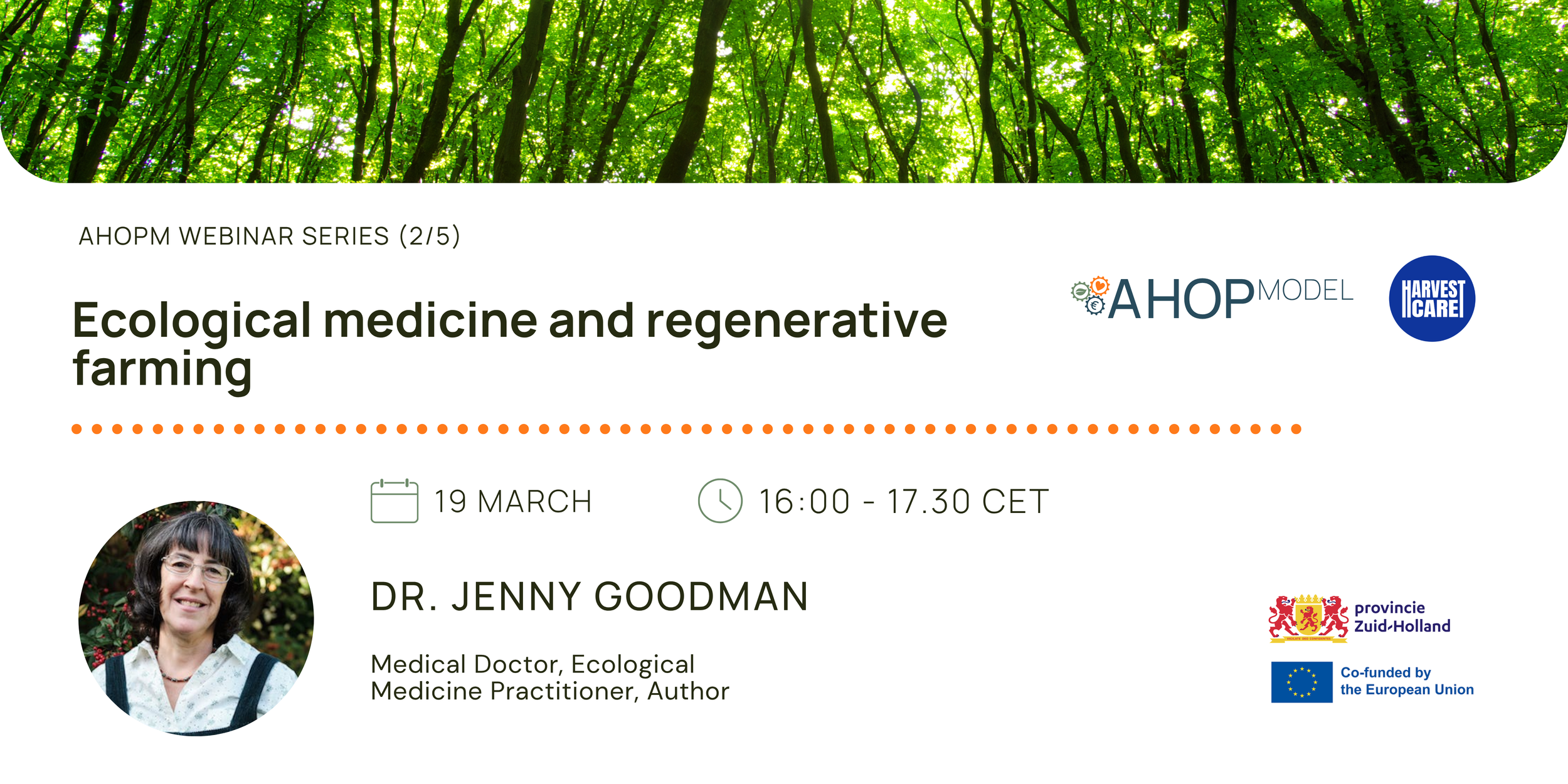
What happens when we look at health not only through the lens of the human body, but also through soil, food, and the wider environment? That question was at the heart of the second session in our Agri-Health webinar series. Together with Dr Jenny Goodman, we explored how ecological medicine and regenerative agriculture are connected and why that connection matters for the future of both healthcare and agriculture.
Dr Jenny Goodman is a medical doctor, speaker, and author specialising in ecological medicine. Her work brings together nutrition, pollution, agriculture, and health. She is the author of Staying Alive in Toxic Times and Getting Healthy in Toxic Times, in which she highlights how closely human health is linked to the health of the environment we live in.
1. Ecological medicine takes a whole-system view
Dr Goodman described ecological medicine as an approach that understands health through the relationships between the body, nutrition, lifestyle, and the broader environment. Rather than treating disease as a set of isolated symptoms or organ-specific issues, this approach examines how different layers interact to shape health over time.
She explained that ecological medicine comprises two closely related components: environmental medicine and nutritional medicine. Environmental medicine focuses on harmful exposures that affect the body, such as pollutants, chemicals, heavy metals, and synthetic materials encountered in daily life. Nutritional medicine focuses on supporting the body with the vitamins, minerals, and nutrients needed for resilience, recovery, and detoxification.
In Dr Goodman’s view, these two cannot be separated: the body can only cope with harmful exposures if it has sufficient nutritional support.
2. Human and planetary health are inseparable
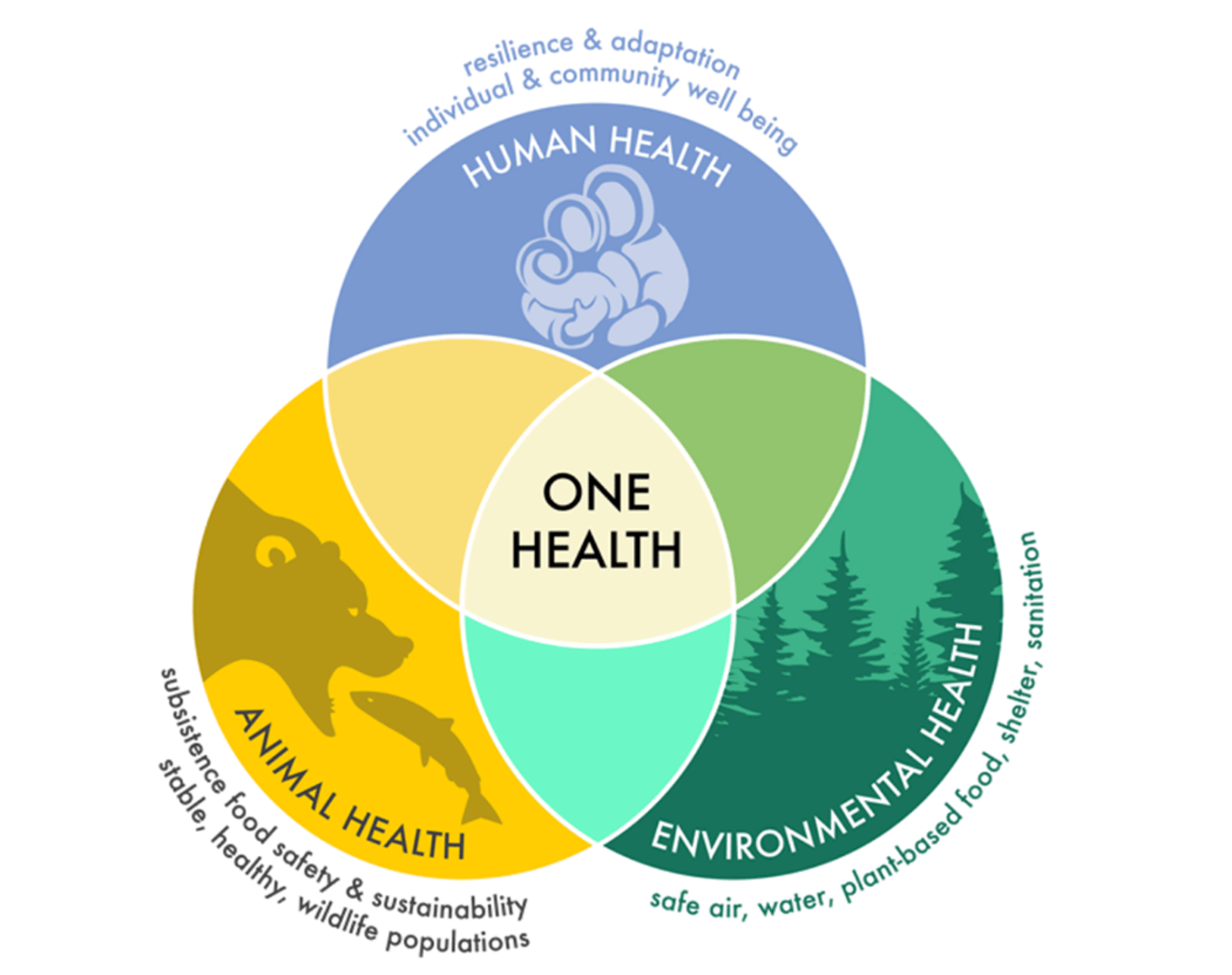
Dr Goodman emphasised that ecological medicine is not just about the human body, but about the ecosystem in which that body exists. Her message was simple and powerful: you cannot poison the planet without poisoning people. Air, water, soil, and food are all part of the same system.
This perspective shifts how we think about health. It moves the focus away from treatment and individual behaviour toward the broader conditions that shape health in the first place.
3. Pollution is embedded in daily life—and in health outcomes
A significant part of the session focused on the increasing exposure to petrochemicals, pesticides, plastics, heavy metals, and other synthetic pollutants. Dr Goodman explained that these substances are not limited to agriculture or industry, but are present in many everyday aspects of life: in food and drinking water, air pollution, cleaning products, synthetic carpets and furniture, mattresses, cosmetics, packaging, plastic bottles, moth repellents, and even cookware.
She also discussed the potential health impacts in concrete terms. During the webinar, she linked pesticides and related pollutants to neurodegenerative diseases such as Alzheimer’s and Parkinson’s, to endocrine disruption, fertility and reproductive issues, cancer, and disturbances of the microbiome. She mentioned substances such as glyphosate, plastics, and aluminium as commonly encountered exposures, and described how some of these can accumulate in the body over time.
4. Nutrition and pollution are part of the same health narrative
Dr Goodman explained that nutrition and pollution cannot be viewed separately. The body relies on detoxification processes—primarily in the liver—to eliminate harmful substances. However, these processes require sufficient levels of vitamins and minerals as cofactors.
This means that poor nutrition and toxic exposure can reinforce each other. We need adequate nutrients to process harmful exposures, while intensive agriculture and depleted soils can reduce the nutritional quality of food. During the webinar, Dr Goodman highlighted common deficiencies she sees in her practice, including magnesium, vitamin D, B vitamins, vitamin C, zinc, and chromium.
Her broader point was that nutritional resilience becomes increasingly important as the body’s toxic burden increases.
5. Regenerative agriculture offers a different perspective
Another key insight was Dr Goodman’s view that agriculture and medicine face a similar choice: do we continue to rely primarily on artificial and chemical interventions, or do we shift toward working with natural processes?
In her perspective, regenerative agriculture is not just about farming differently—it is about creating the conditions for healthier food and healthier people.
She also made a useful distinction between organic and regenerative agriculture. In her explanation, organic farming focuses on avoiding synthetic pesticides and fertilisers. Regenerative agriculture goes further, with a stronger emphasis on restoring and protecting soil structure, biodiversity, and long-term ecological health.
Her point was not only that these approaches are better for the environment, but that they are directly relevant to human health.
6. Farmers play a larger role in health than we often recognise
Dr Goodman argued that farmers—through the way they produce food—may have a greater impact on health than many healthcare professionals realise. This shifts how we think about agriculture: farmers are not only food producers, but also contributors to public health.
What changed for participants during the session?
The webinar had the strongest impact on participants’ familiarity with the concept of ecological medicine. At the start, only 17% of respondents reported being familiar or very familiar with the term. By the end, this had increased to 85%.
Awareness of the impact of environmental pollutants on human health also increased. The share of participants who described themselves as aware or very aware rose from 61% to 85%. The relationship between regenerative (and organic) agriculture and health was already relatively well understood at the start, and increased slightly after the session.
What this adds to the Agri-Health conversation
The session broadened the Agri-Health discussion in an important way. It showed that the relationship between agriculture and health is not only about nutrients or medical outcomes, but also about pollution, soil quality, food production, resilience, and prevention.
For AHOPM, this broader systems perspective is particularly valuable. It helps frame food, agriculture, and health not as separate domains, but as interconnected elements of a larger transition.
Conclusion
This second webinar made it clear that a healthier healthcare system depends on a healthier food system and a healthier environment. Ecological medicine, therefore, offers a valuable perspective for anyone working at the intersection of agriculture, prevention, and healthcare.
This webinar is part of the broader AHOPM Agri-Health series, made possible through EIP-Agri funding from the Province of South Holland and the European Union. Within AHOPM, we are developing a model that connects agriculture, healthcare, and impact finance to embed healthy food within healthcare systems while creating new markets for organic and regenerative farmers.