Agri-Health Webinar Series: Regenerative Farming & the U.S. Food Pharmacy Movement
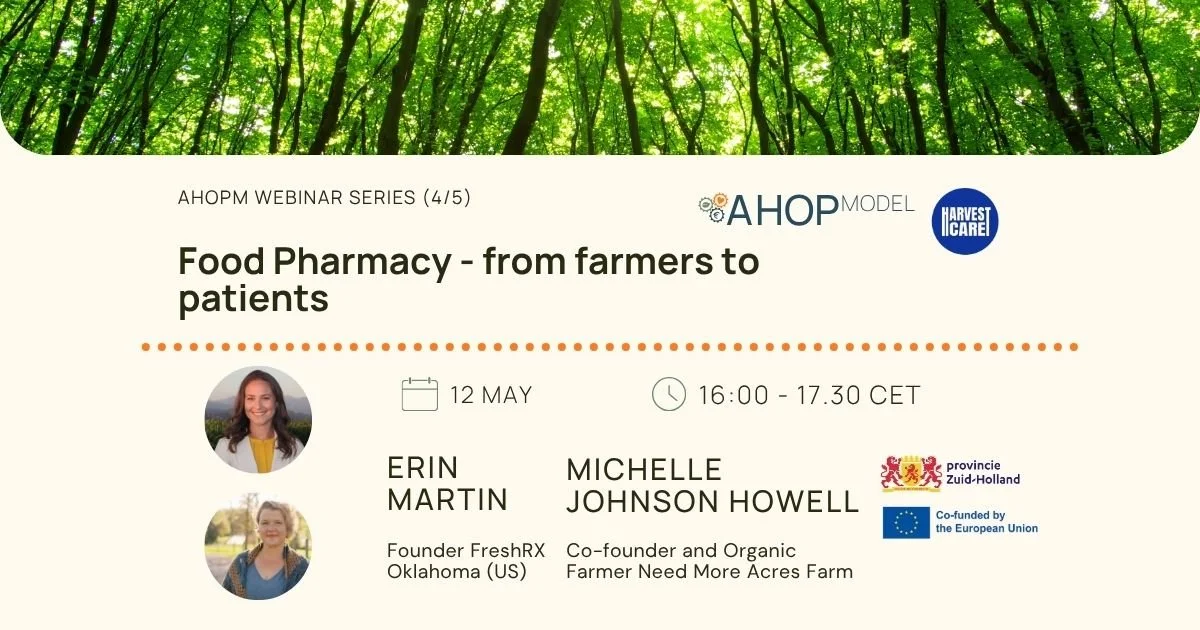
For the fourth session of the Agri-Health webinar series, we welcomed two leading voices and experts in the U.S. Food is Medicine field: Erin Martin, founder of FreshRx Oklahoma, and Michelle Johnson Howell, farmer and operator of Need More Acres food hub in Scottsville, Kentucky. Both have spent years building food pharmacy programs that are not only clinically effective but also rooted in local economies and regenerative farming practices. Their work offered a concrete look at what it takes to make food prescriptions function as a real intervention — for patients, for farmers, and for the wider food system.
FreshRx Oklahoma: treating type 2 diabetes with food and education
Erin Martin's program in Tulsa, Oklahoma, started in 2021 with 50 patients of one primary care physician working in a low-income community where deaths from type 2 diabetes were among the highest in the county. Five years later, FreshRx Oklahoma has served over 500 people, receives referrals from more than 22 primary care doctors, and operates a hybrid in-person and virtual model, including a dedicated Spanish-language program.
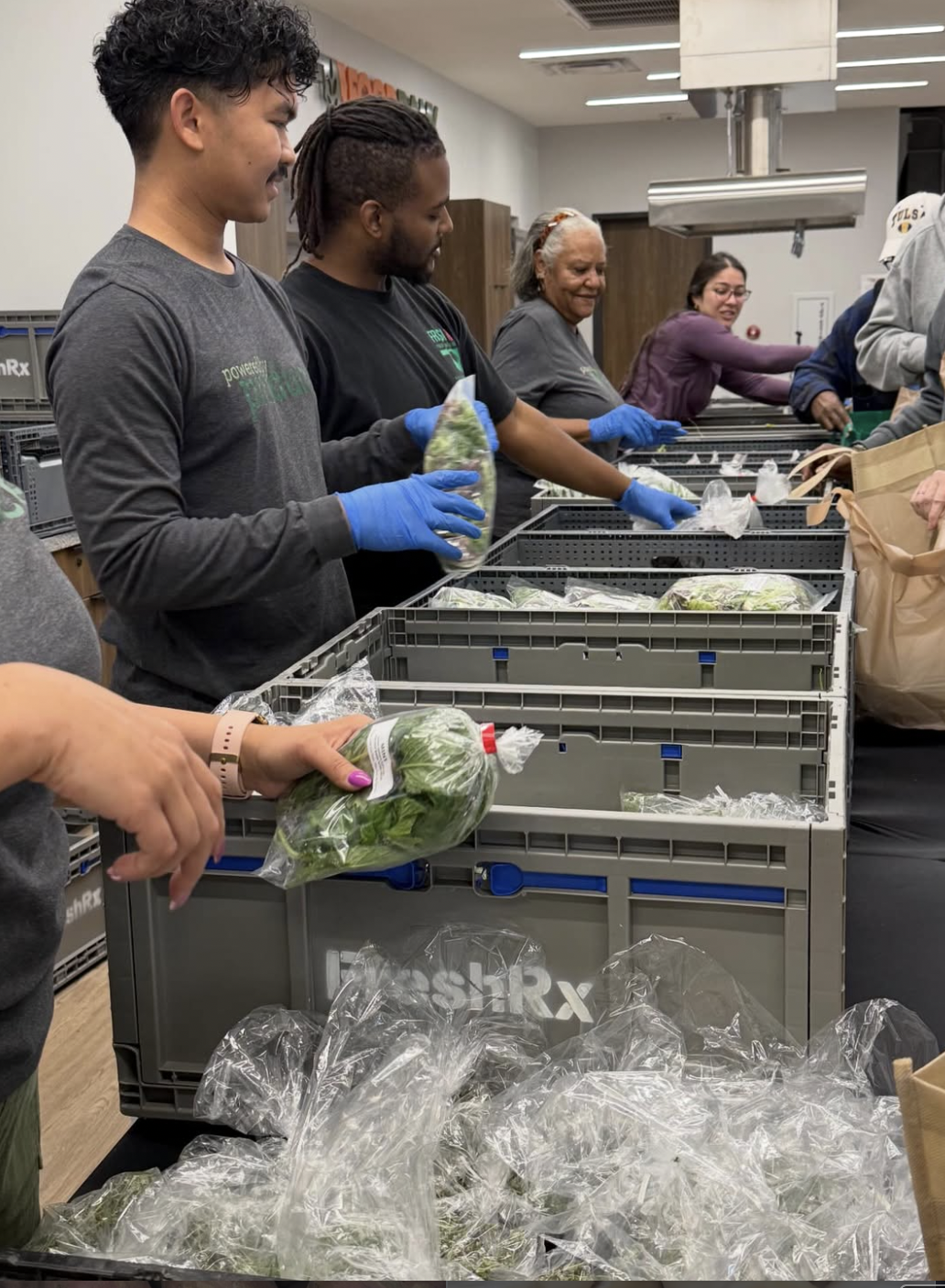
FreshRx bi-weekly pick up
Patients commit to twelve months of bi-weekly food distributions, valued at around $50 each, accompanied by required education sessions on cooking, nutrition, movement, and mental health. HbA1c, weight, and blood pressure are measured at baseline and at four further quarterly checkpoints. All food is sourced locally and regeneratively, from a network of around 27 regional farmers.
The largest individual HbA1c reduction recorded so far is from 13.6 to 5.4 points in six months — a full remission of type 2 diabetes. Across the first three years of data, average HbA1c reductions translate to an estimated $16,000 to $24,000 in healthcare savings per patient per year. An independent actuarial analysis estimated that if the program were scaled to five per cent of Oklahoma's Medicaid population, the state could achieve net savings of up to $28.5 million annually — a fivefold return on investment. In May 2025, Oklahoma passed the Food is Medicine Act, directing the state to begin reimbursing food prescriptions and nutrition counselling.
Need More Acres: a farmer-led food hub in Kentucky
Michelle Johnson Howell approaches the same field from the farm side. Together with her husband Nathan, she runs a working farm and a food hub that aggregates produce from over 30 regional farmers and distributes around 200 home-delivered Food is Medicine boxes per week across six rural Kentucky counties.
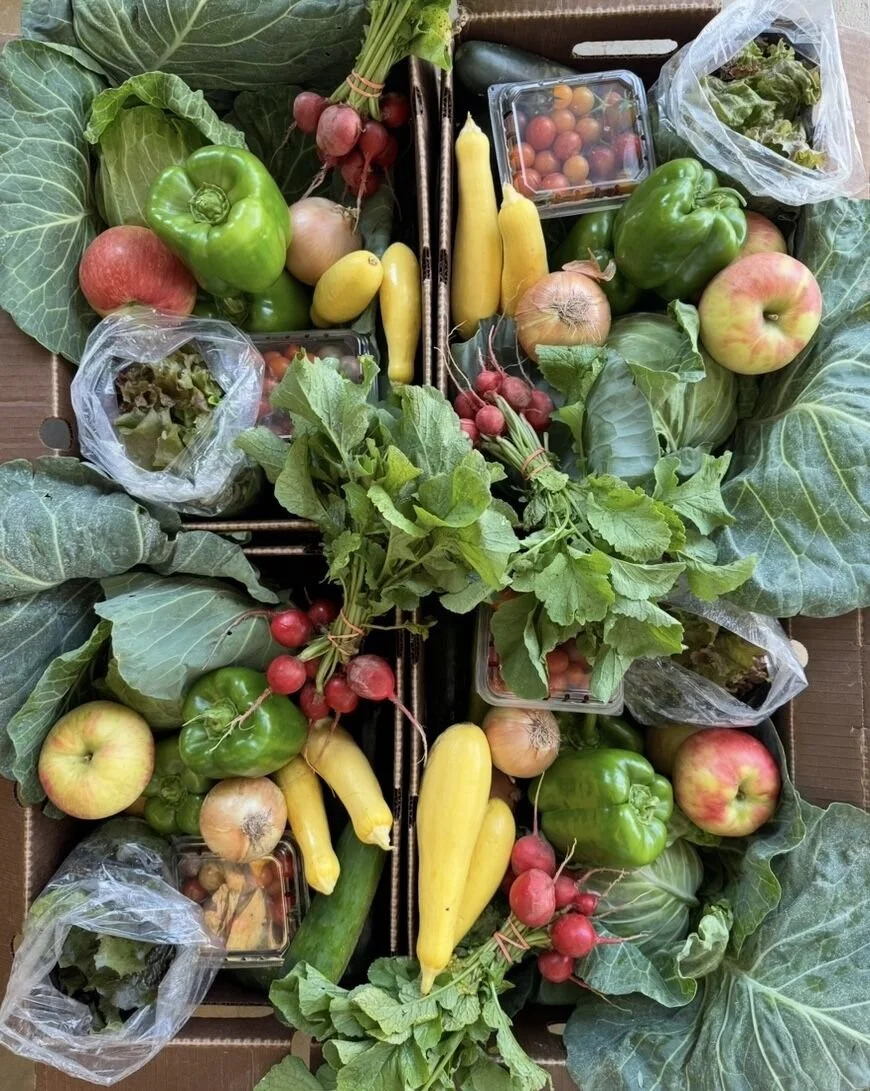
Her story illustrates a long arc that is often invisible in pilot projects. From their first heirloom tomato plot in 2008, to co-founding the Bowling Green farmers market in 2011, to launching their first Food is Medicine produce boxes in the late 2010s, the work has been built one relationship at a time. Today, Need More Acres operates three programs: medically tailored meals from an on-farm certified kitchen, produce prescriptions and medically tailored groceries, and direct-to-consumer delivery. The program funding comes from a deliberately diverse mix: Kentucky Medicaid managed care organisations, the Kentucky Department of Public Health, speciality crop grants, foundations, individual donors funding protein add-ons, and private-pay customers.
Clinical partners include diabetes prevention and self-management programs, the Kentucky Blood Pressure Program, prenatal programs for pregnant women, and school resource nurses - the latter being one of the most effective referral pathways the hub has identified. Observed outcomes include lower HbA1c, lower hypertension, fewer emergency room visits, increased fruit and vegetable consumption, and notably higher participation rates in nutrition education programs when a weekly food box is part of the offer.
Food is Medicine as a real income diversification for farmers
A central theme of the session was that Food is Medicine programs, when rooted in the local farming economy, offer a genuine and meaningful stream of income diversification for farmers. This is one of the aspects that make the U.S. experience particularly relevant: food pharmacies there function not only as a healthcare intervention but also as a stable institutional buyer for regional, often smaller-scale farms.
In its first three years, FreshRx Oklahoma generated approximately $1.5 million in economic impact for local farmers and has budgeted $1.17 million in local food purchases over the next three years. For some of the participating farms, FreshRx represents between 10 and 90 per cent of their annual income — enough for farmers to hire staff, diversify crops, repair equipment, and expand production for the wider local community. At Need More Acres, roughly 90 per cent of the food bought for Food is Medicine boxes comes from regional farms. That sustained purchasing, Michelle explained, is precisely what has allowed her network of farmers to grow into what it is today: a reliable, diverse, year-round local supply.
Investing in local food, however, is not only an economic decision. It is also a clinical one. As Dan Kittredge highlighted in the previous webinar in this series, soil biology is the strongest predictor of nutrient density, and locally, regeneratively grown food generally carries significantly higher nutritional value than produce that has travelled long distances. The average fruit or vegetable in a U.S. grocery store has travelled roughly 1,500 miles and is around 14 days old by the time it is purchased, with nutrient content varying by a factor of several hundred between produce of the same type, depending on how and where it was grown. Erin made the point clearly: a physician would not prescribe 10 milligrams of a drug to a patient who needs 100, simply because it is easier to source — and yet, in food procurement, this is precisely what often happens. Local and regenerative sourcing is therefore not only better for the farmer and the community, but also a higher-dose prescription for the patient.
Building the team and the community around the program
Both speakers emphasised that program design alone is not enough. FreshRx Oklahoma has hired a former participant as an enrollment coordinator and has built a multidisciplinary team that includes a registered nurse with a master's degree in public health, enabling in-house data analysis and medication de-prescribing. A community-based Spanish-language organisation now out-enrols the main program in some months, illustrating the value of trusting trusted local partners rather than imposing external structures.
Michelle made a similar point about long-term loyalty to a small group of farmers, even when external pressure to scale through non-local sources was significant. That sustained commitment, she argued, is precisely what has allowed both her hub and her farmers to grow into what they are today.
From curiosity to clarity: how participants' views shifted
The webinar clearly shifted participants' perspectives. At the start, only 22% of respondents reported being familiar with food pharmacy and produce prescription programs. By the end, that had risen to 67%. Confidence in food pharmacies as a viable income diversification stream for farmers also increased substantially over the course of the session, with participants moving away from "I don't know" toward a clearer recognition that this model can work for farmers when it is built with intention.
We were glad to see that the session both increased familiarity with how these programs operate in practice and strengthened the conviction that local and regenerative procurement is not a trade-off against scale, but rather a different — and arguably more effective — definition of what scaling well looks like.
What this adds to the Agri-Health conversation
Erin's and Michelle's work makes one point especially clear: food pharmacies are most impactful when they are designed not only as a healthcare intervention, but also as a deliberate investment in local food systems. The clinical outcomes, the farmer income, and the community trust are not separate results — they are produced by the same model.
For the Dutch context, this matters in several ways. It supports the case for keeping local and organic procurement at the heart of food pharmacy programs, even when convenience-driven alternatives are available. It underscores the importance of a long-term commitment to a network of farmers, rather than one-off purchasing decisions. And it underlines that food pharmacies are not only a clinical tool, but also a market mechanism that can help reshape who grows food, how it is grown, and how that food reaches the people who need it most.
This webinar was part of the wider Agri-Health webinar series, made possible by the EIP-Agri subsidy from the Province of South Holland and the European Union. Within the AHOPM consortium, we are working to connect agriculture, healthcare, and impact finance to make healthy food a structural part of the healthcare system while creating new market opportunities for organic and regenerative farmers.