
Agri-Health Webinar Series: Nutrient density, soil life, and the quality of the food we eat
In recent years, increasing attention has been paid to the possibility that the food we consume may be losing nutritional value due to modern farming practices. A movement that seeks to bring more light and attention to the actual quality of the produce we eat often frames this issue through the lens of nutrient density.
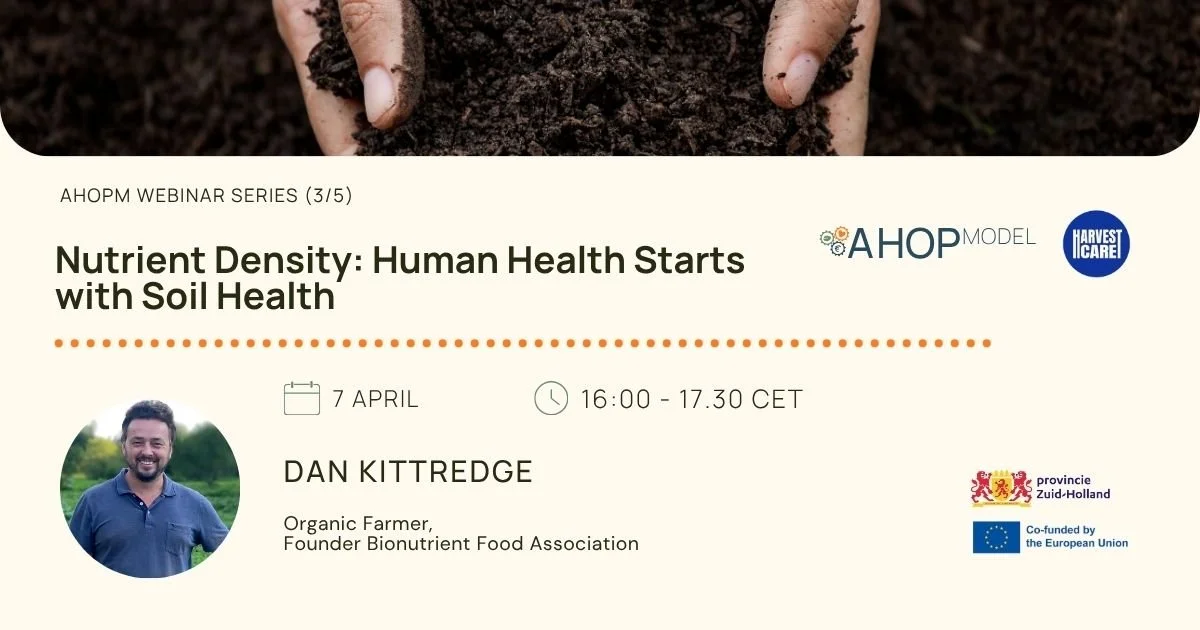
One of the pioneers in this field, Dan Kittredge, founder and executive director of the Bionutrient Food Association, joined the Agri-Health Outcome Payment Model webinar series to share his two-decade-long journey of connecting soil health, plant health and human health. Through the Bionutrient Food Association, founded in 2010, and the Bionutrient Institute, he has helped build a research agenda focused on measuring food quality more directly and moving beyond labels alone. The organisation’s work includes observational research, lab analysis, and the development of the Bionutrient Meter.
Nutrient density and nutrient variation
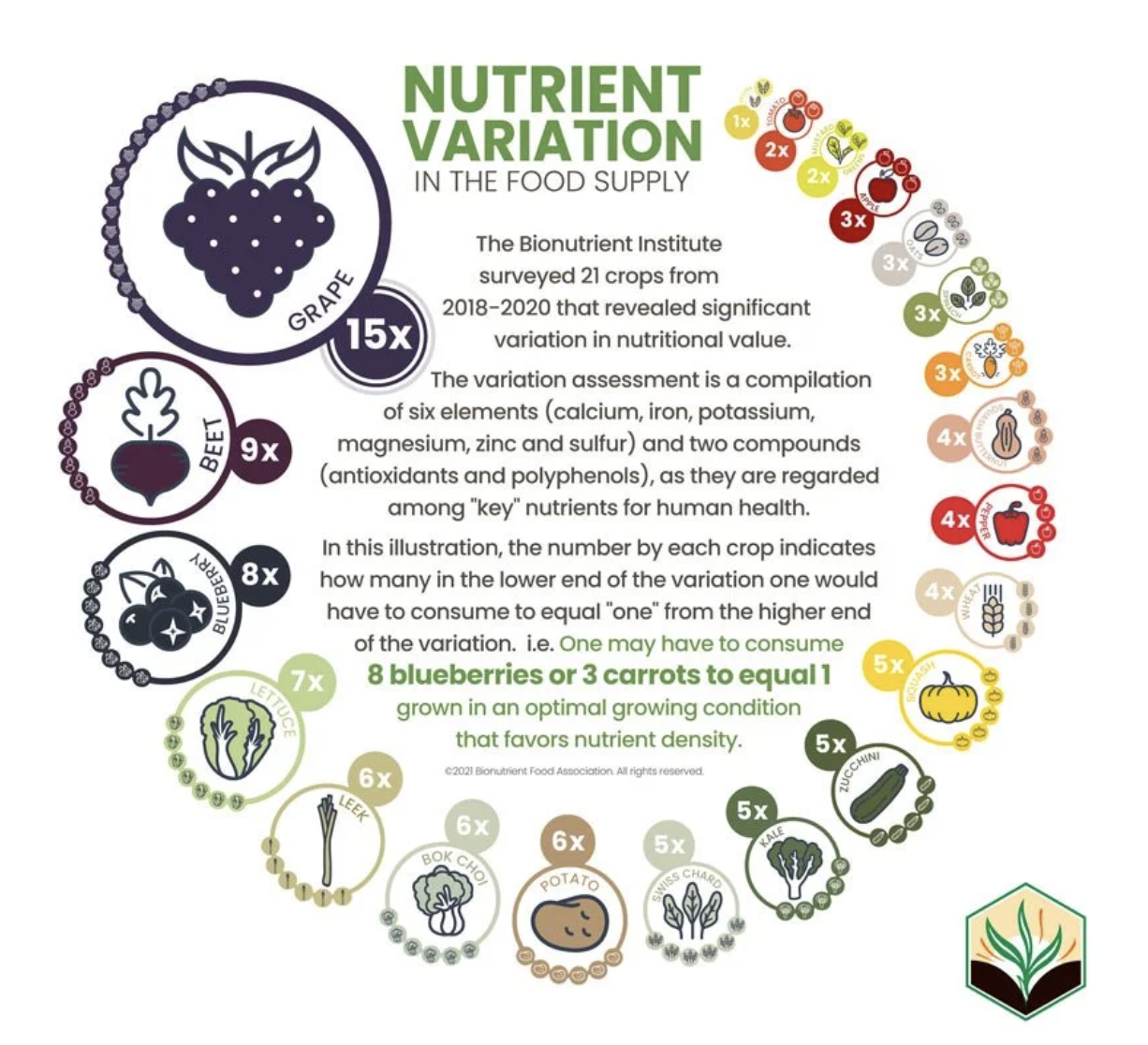
A useful place to start is the distinction between nutrient density and nutrient variation.
Nutrient density refers to the nutritional quality of food: the presence and concentration of vitamins, minerals, phytonutrients and other compounds that contribute to health. Nutrient variation means these values are not fixed. The same type of food can differ substantially depending on how and where it was grown. One carrot is not the same as another carrot.
This is one of the core ideas behind Dan’s work. The research direction developed by the Bionutrient Institute has focused on three linked questions: how much nutrient variation exists in the food supply, what causes it, and whether practical tools can be developed to assess food quality more directly. The institute describes this work as an effort to define nutrient variation, identify causal factors, and develop assessment instruments.
Soil health is the best indicator of nutrient density
The strongest message from Dan’s work is that food quality appears to be linked less to labels and much more to soil biological activity.
The Bionutrient Food Association states that its research showed direct connections between soil carbon, biological activity, and nutrient variation in food. Dan’s broader argument is that if soil life is weak, the nutritional quality of crops is likely to be weak as well. If soil life is thriving, the nutritional quality of crops is more likely to be stronger.
Organic and local food supplies should remain central to a future-proof, resilient food system that supports biodiversity, local economies, and connections between urban and rural areas. However, much greater awareness should be brought to soil health as an indicator of the quality of what we eat among consumers, public institutions, healthcare providers, and everyone else working with food.
Why nutrient density matters in practice
If foods of the same type can differ greatly in nutritional value, then quality becomes a much more practical issue for farmers, retailers, public health professionals, and consumers. Dan’s long-term vision is that food quality should become more visible and measurable across the chain. That is also the thinking behind the Bionutrient Meter, a handheld consumer spectrometer designed to help bring more transparency to food quality at the point of purchase.
It also affects how we think about flavour. Dan’s point was that taste is not separate from nutritional quality. Food that is richer in nutrients should also taste better. That matters because taste is one of the most direct ways people respond to food. If better food is also more flavourful, then nutrient density is not only a research issue. It is also relevant to appetite, cooking, children’s food preferences, and the broader question of how to make healthier diets more attractive in daily life.
And it affects how we think about soil health and human health together. If better food comes from living soils, then agriculture, nutrition, and prevention are much more connected than they are often treated in mainstream policy or healthcare systems.
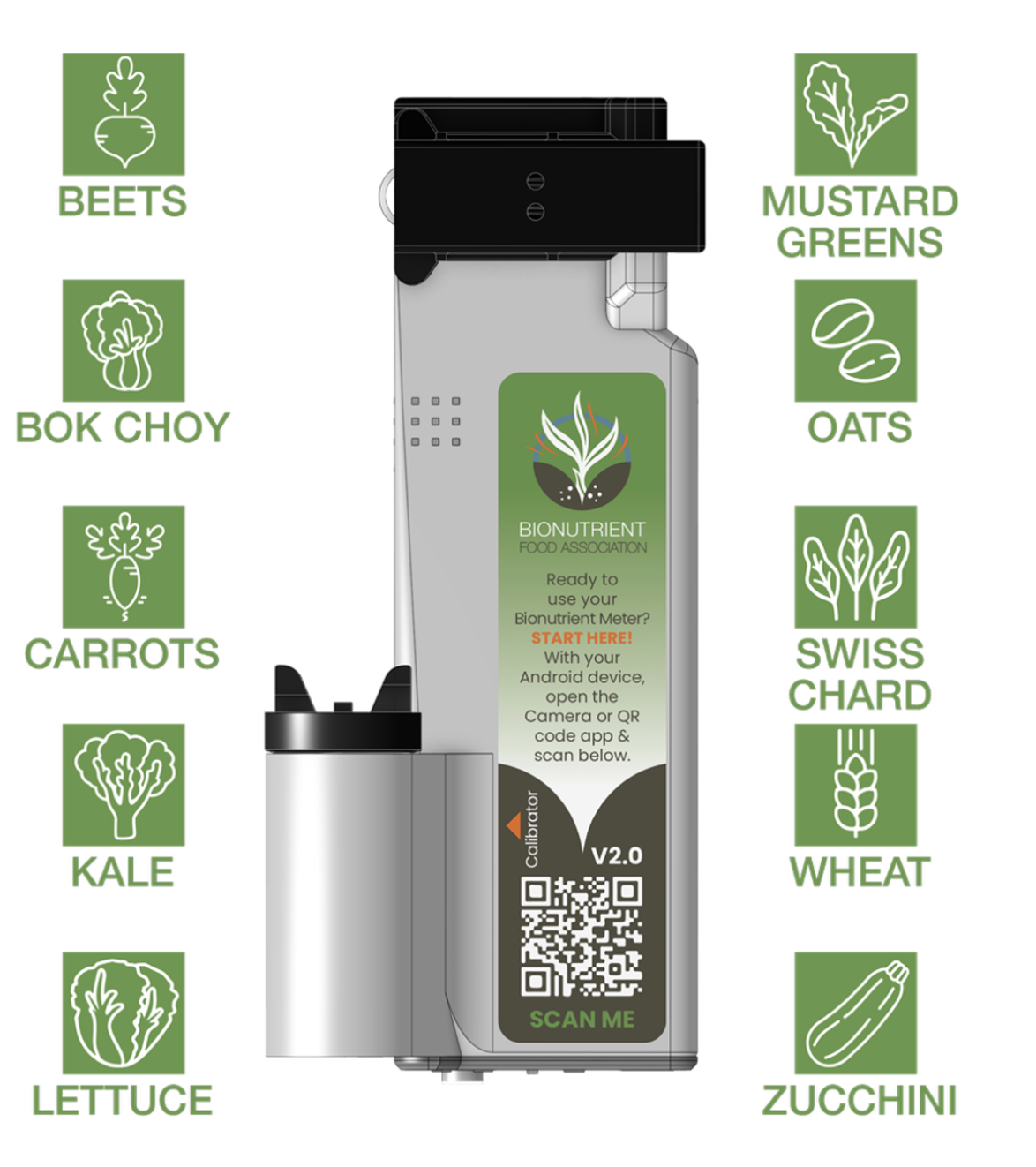
Bionutrient Meter
A handheld “spectrometer” to measure the nutrient density built by BFA.
Familiarity grew - and belief in its importance grew too
The webinar clearly increased participants’ understanding of the topic. At the start, 44% of respondents said they were familiar or very familiar with nutrient variation and nutrient density. By the end, that had risen to 71%.
There was also a strong shift in how important participants believed this field could become. Before the session, only 22% thought that developments in nutrient density could significantly influence food purchasing behaviour. After the session, the rate rose to 67%.
We were glad to see that the session strengthened both familiarity with the concept and belief in its wider relevance. Nutrient density was not only better understood by the end of the webinar, but also more clearly recognised as a factor that could influence decision-making in the food system.
What this adds to the Agri-Health conversation
If healthy food should become a structural part of prevention and care, then the quality of that food must also be considered. That is why, within AHOPM, we are keen to keep learning more about nutrient density and to further research, in the Dutch context, what the nutritional quality of produce actually looks like for patients and consumers. This matters not only for people who receive food through Food Pharmacy approaches but also for the broader question of how agriculture, healthcare, and financing can be better aligned to support long-term health outcomes.
It also raises a broader systems question. If food is to be valued not only by kilos and yield, but also by nutritional quality and health potential, then the way we reward farmers may also need to change.
This webinar was part of the wider Agri-Health webinar series, made possible by the EIP-Agri subsidy from the Province of South Holland and the European Union. Within the AHOPM consortium, we are working on connecting agriculture, healthcare, and impact finance, with the aim of making healthy food a structural part of the healthcare system while creating new market opportunities for organic and regenerative farmers.