Soil, Food, and Health: Reflections from Our Symposium in Leiden
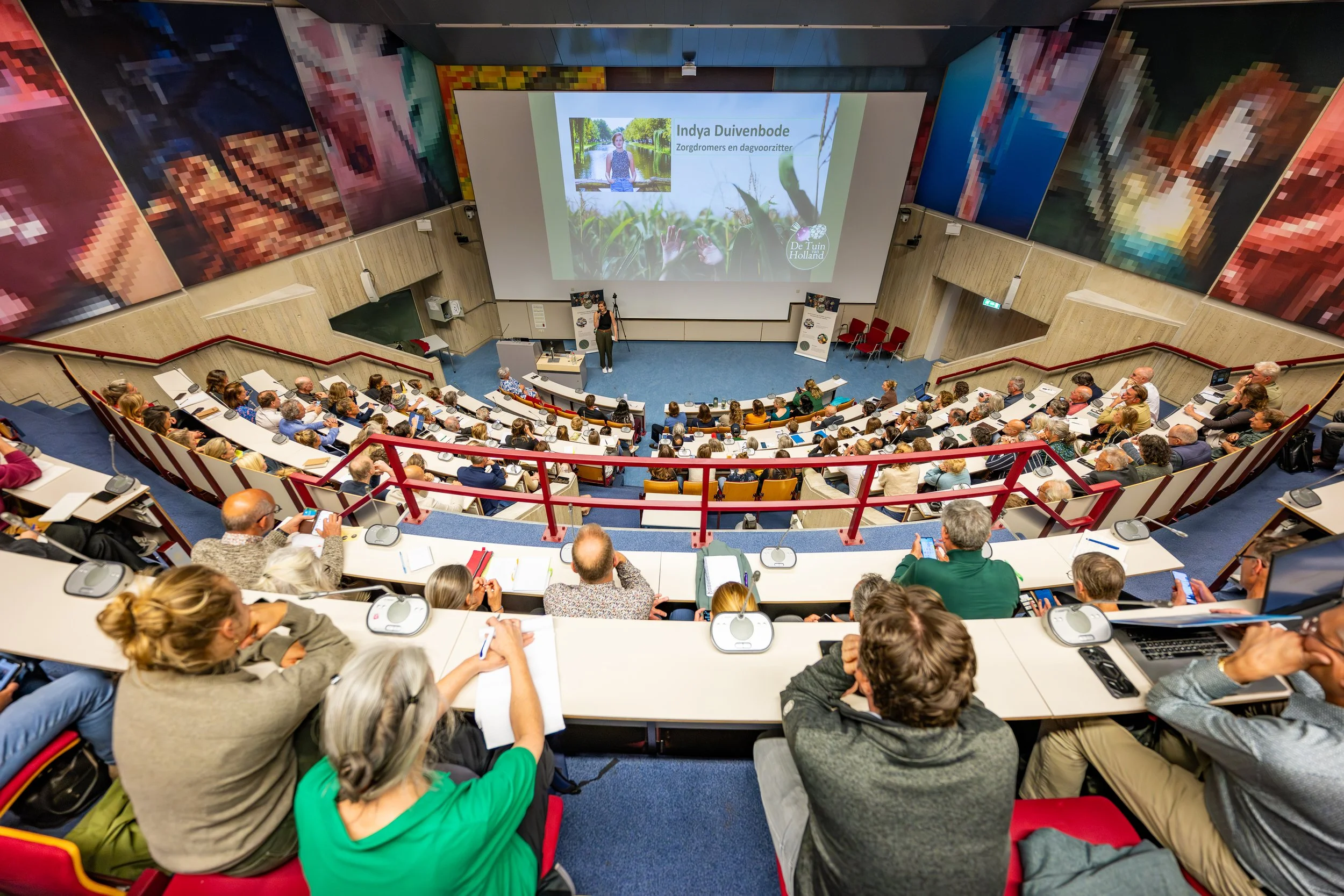
In May 2025, HarvestCare co-organised a symposium at the LUMC in Leiden together with De Tuin van Holland. The theme: Soil as the Foundation of Health. The room was filled with scientists, healthcare professionals, farmers, chefs, financiers and policymakers — all gathered around a question that sits at the heart of everything we do: what happens when we take the connection between soil health and human health seriously?
The answer, it turns out, involves quite a lot.
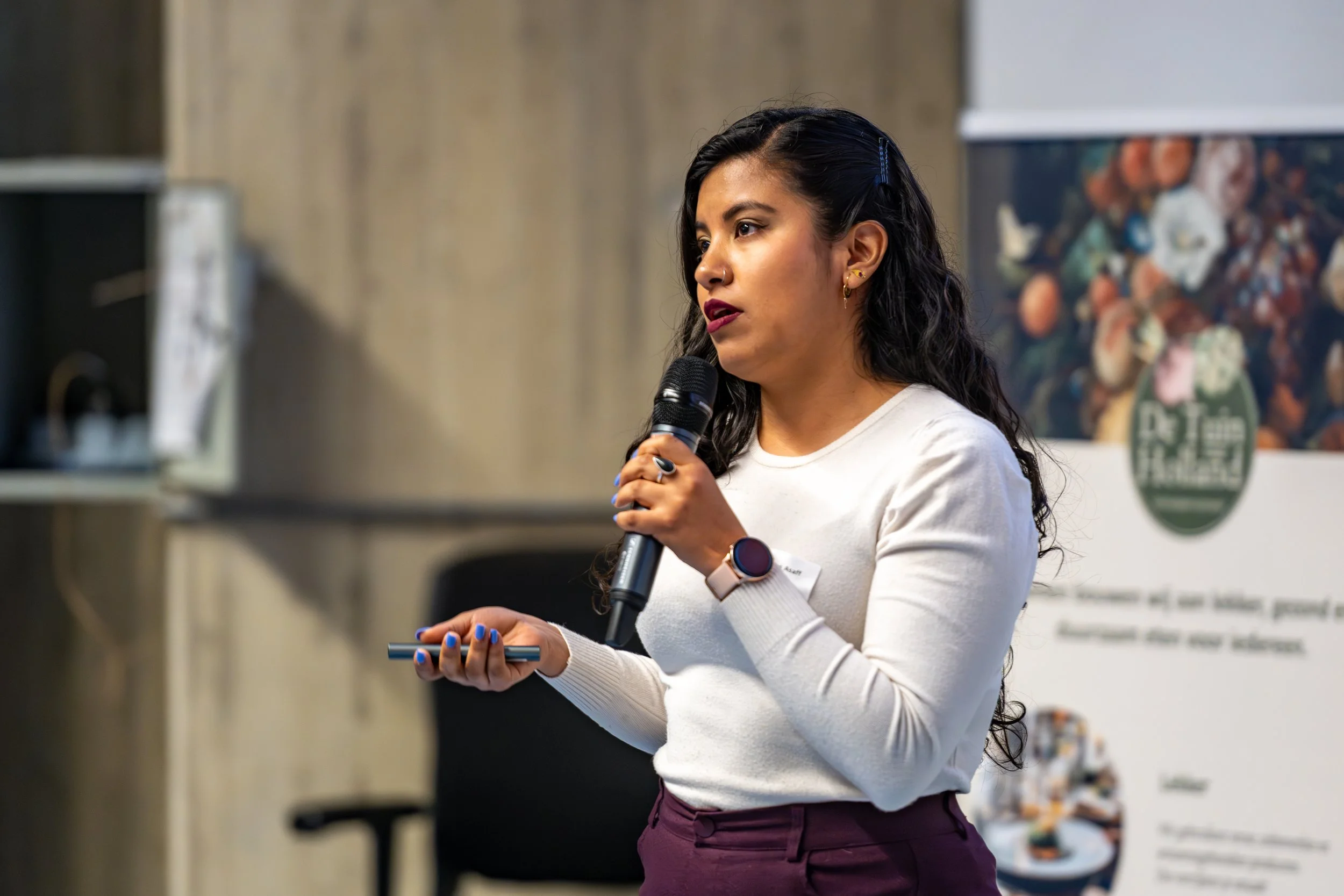
Researcher Isabel Siles-Asaff of Leiden University presented findings from the Soils2guts project, which has been studying the relationship between soil microbiology, crop quality and gut health across 31 Dutch farms. Her conclusion was striking: the greater the microbial diversity in the soil, the higher the nutritional quality of the crop. The living ecosystem beneath our feet shapes what ends up on our plates — and ultimately, in our bodies.
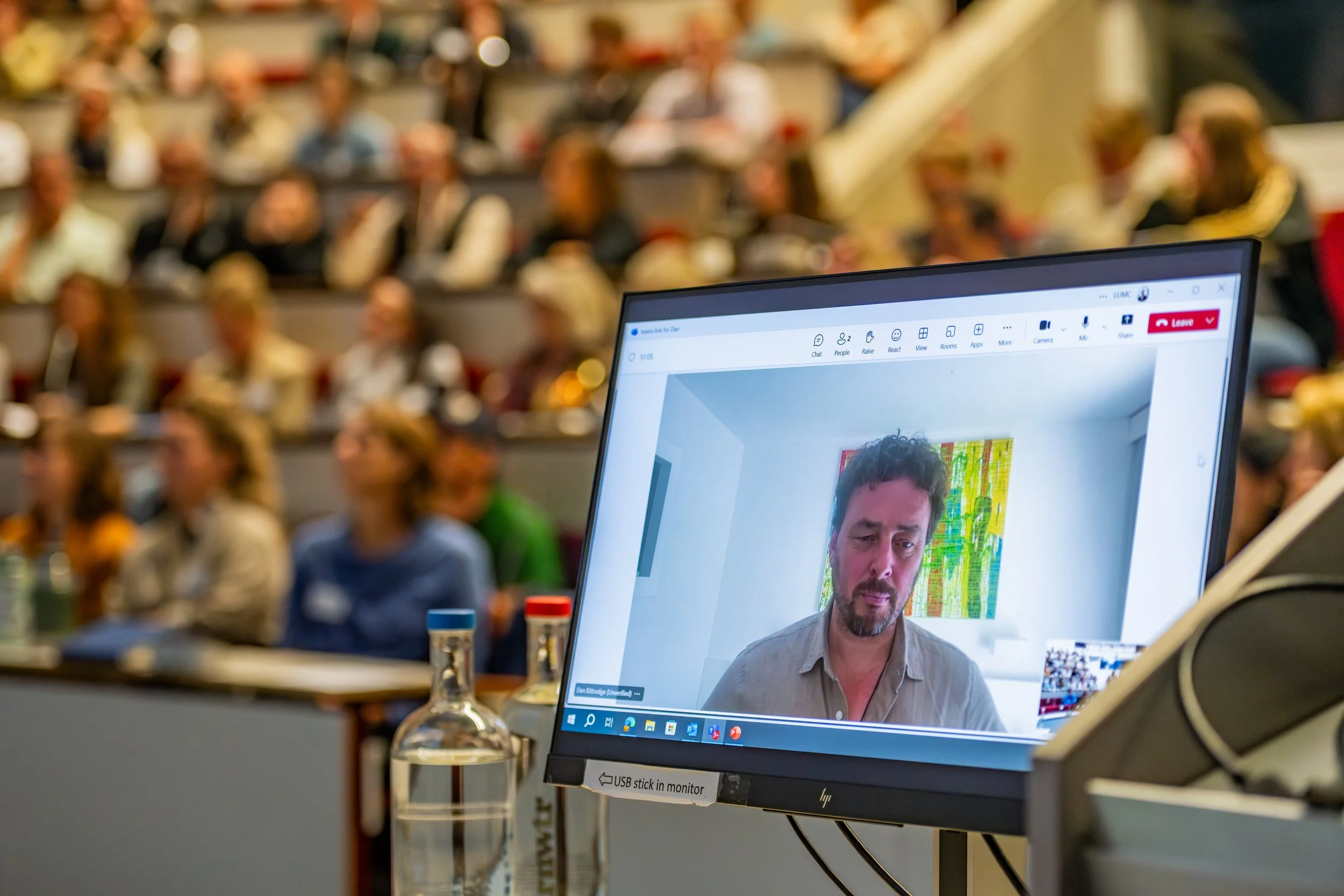
Dan Kittredge of the Bionutrient Food Association took this further, sharing data showing that antioxidant levels in carrots can vary by a factor of 40 depending on the soil they were grown in. Not the variety. Not the farming method per se. The soil. He is developing a consumer tool — a handheld spectrometer — that will allow anyone to scan a vegetable and see its nutrient density in real time. The ambition: create market pressure for genuinely nutritious food, rewarding farmers who invest in soil health.
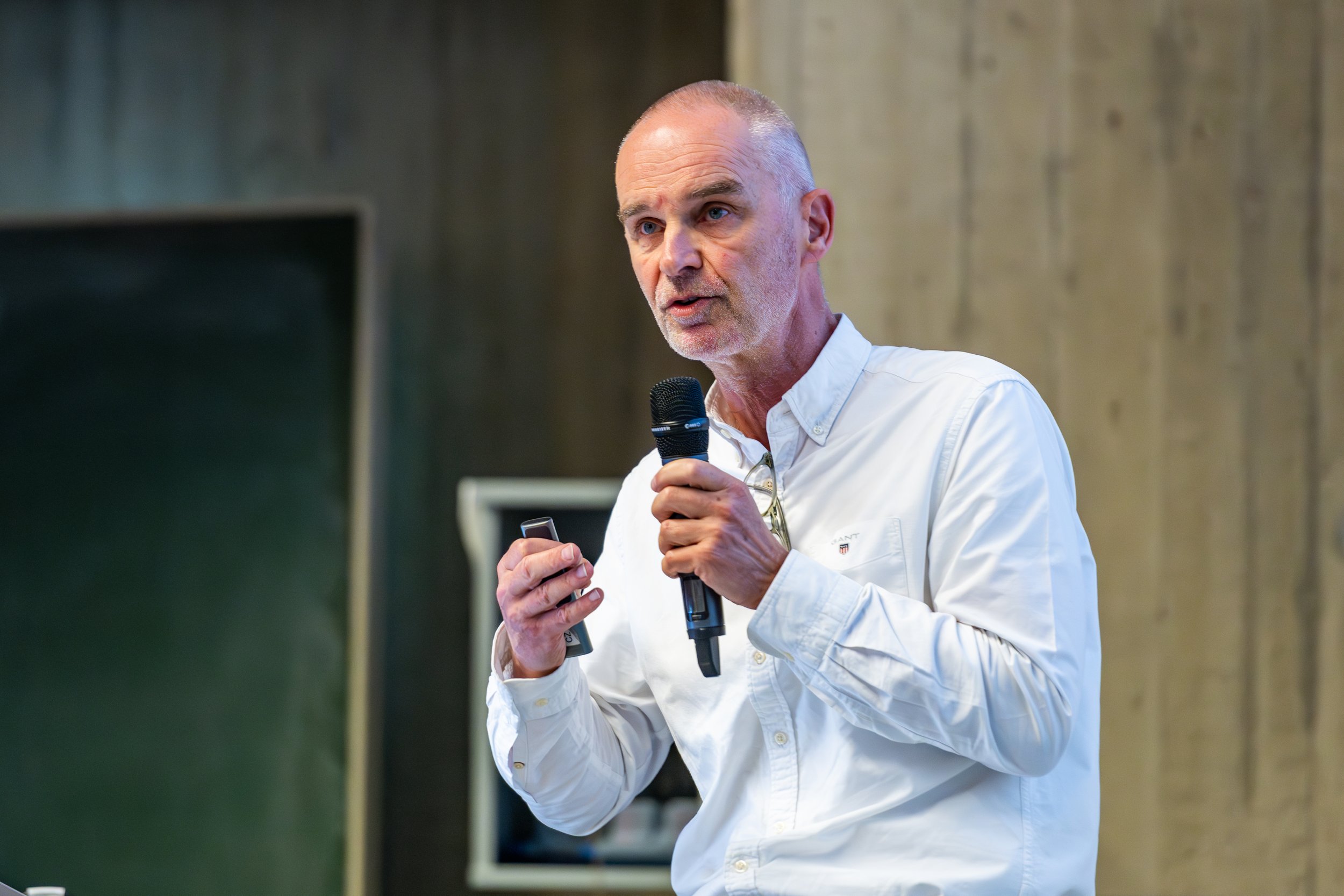
Professor Hanno Pijl of the LUMC
spoke about the chronic disease epidemic from a medical perspective.
More than half the population carries a low-grade inflammatory process that will eventually surface as illness. The primary driver, in his view, is not age — it is the industrially processed food that makes up 60 to 70 percent of the average Dutch diet. His prescription was simple: eat natural, unprocessed food. Varied, and not too much.
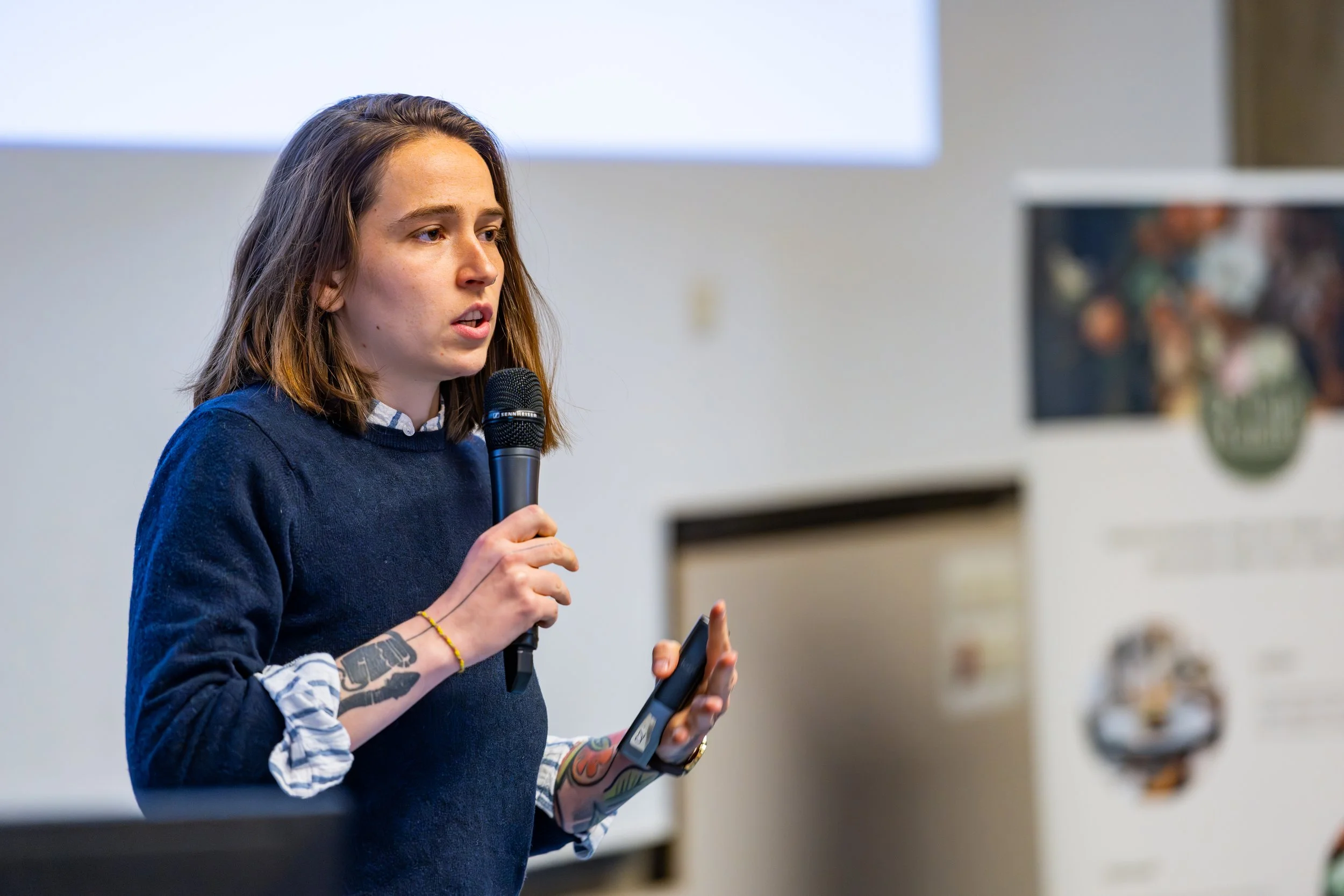
Our co-founder Zuzanna Zielińska set out the systemic challenge that underpins all of this. Every year, European healthcare systems spend over €700 billion treating chronic conditions — the vast majority of which are lifestyle-related and largely preventable. Type 2 diabetes alone costs the Netherlands an estimated €6 billion annually. "We keep fixing things at the back end," she said, "whilst there is so much to be gained at the front." Her argument was clear: if even a fraction of that budget were redirected towards healthy food and regenerative agriculture, the impact on public health — and on the viability of farmers making the transition — would be enormous. The Agri-Health System she has been developing with HarvestCare is built on exactly that logic: connecting healthcare, farming and finance around the organising principle of prevention.
Make it stand out
"I would never have known how good I could feel. This changed my life."
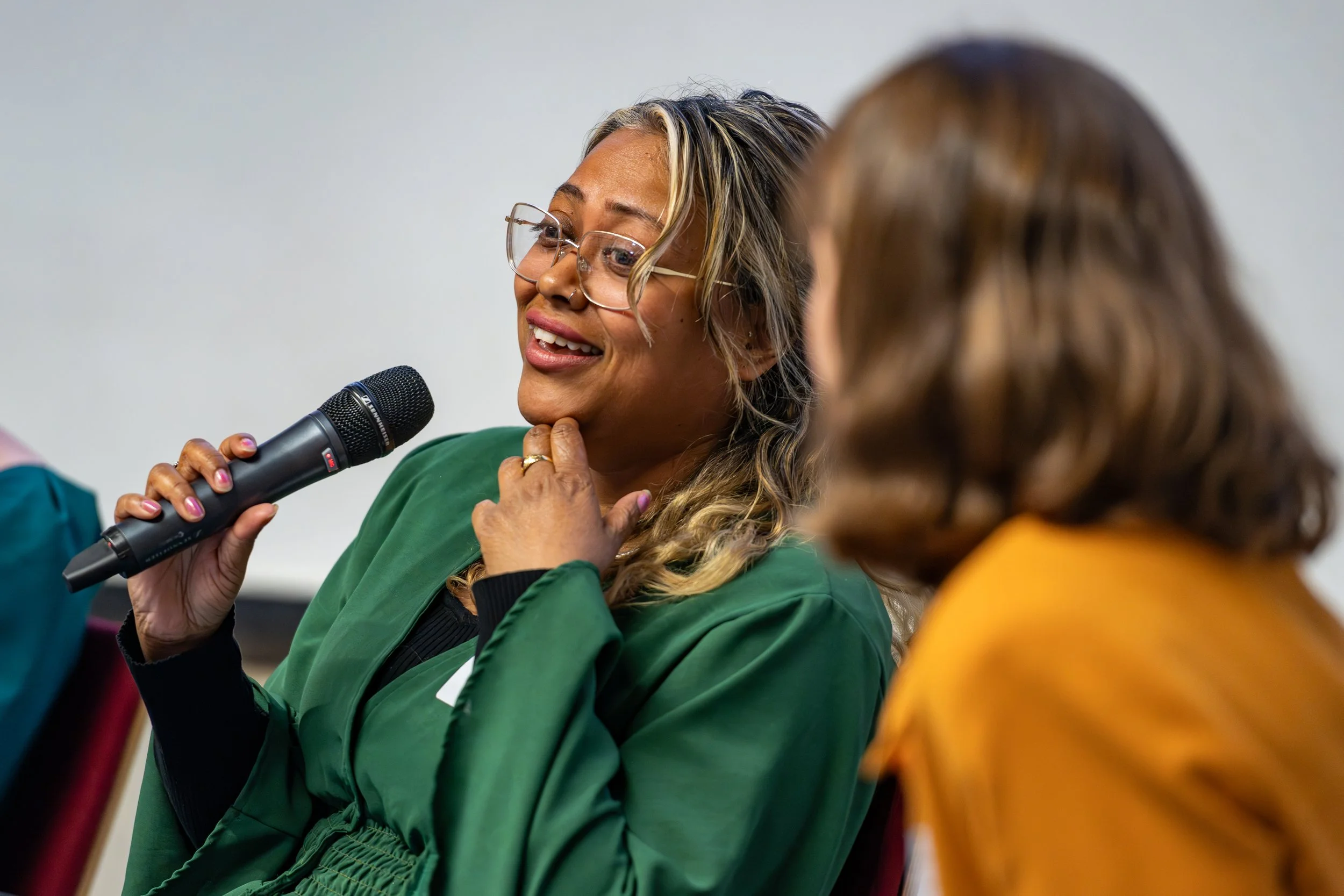
The moment that brought the room to a standstill, however, was a conversation on stage between Nine Perdeck, HarvestCare's programme coordinator, Kirsten Berk, senior researcher and dietitian at Erasmus MC, and Nargis — a participant in our Food on Prescription trial in Rotterdam-Zuid. Nargis spoke about what it had meant to her to take part: her blood sugar dropping from 13.5 to 6.5, losing nine kilograms, coming off medication entirely. But more than the numbers, she spoke about dignity. About no longer feeling ashamed of her diagnosis. About discovering, for the first time, what it feels like to be truly well. "I would never have known how good I could feel," she said. "This changed my life."
Kirsten underlined what Nargis's story makes viscerally clear: access to good food is not equally distributed, and that is not a neutral fact. Nine added that the programme's strength lies precisely in removing the barriers — social, practical, economic — that stand between people and healthier lives. Numbers matter. But a person speaking from their own experience in front of a room full of scientists and policymakers carries a different kind of weight.
These are not separate conversations. They are the same conversation — and that is precisely why HarvestCare exists at this intersection.
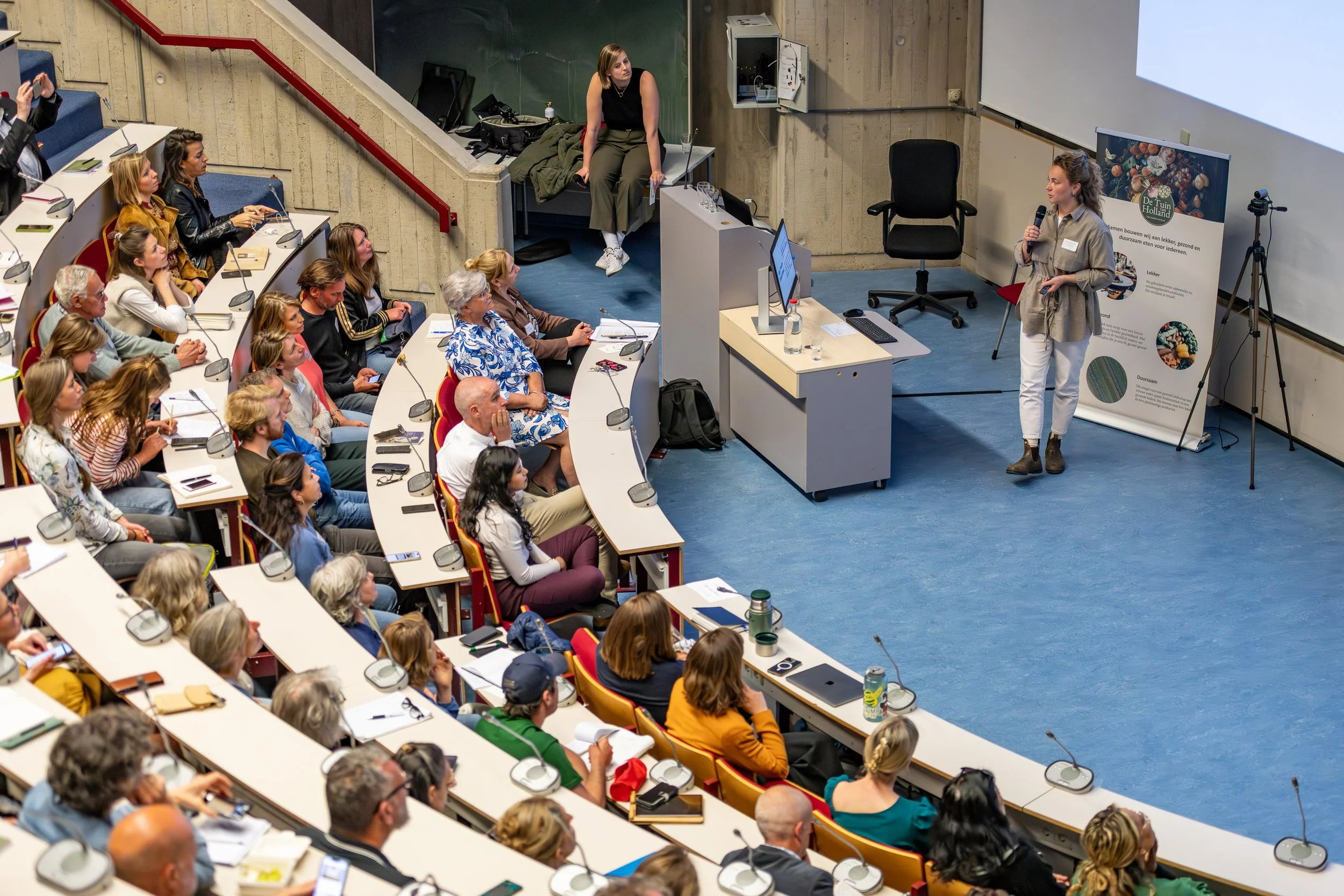
Our co-founder Anne van de Peppel presented the Agri-Health Outcome Payment Model (AHOPM): a financial structure designed to make prevention investable. Private investors provide upfront capital; public institutions and health insurers repay based on measurable health outcomes — improved blood sugar levels, reduced healthcare costs, better quality of life. The development of AHOPM has been made possible through EIP-Agri funding from the Province of South Holland and the European Union, and we are genuinely grateful for the confidence they have placed in this work — the space to explore, to learn, and to build something that did not exist before. Developed in partnership with Social Finance NL and Erasmus MC, the AHOPM is our answer to one of the most persistent problems in preventive health: good intentions don't scale. Financial structures do.
The symposium reinforced what our Food on Prescription trial has shown in practice: the path from a healthy soil to a healthier person is real, measurable, and — crucially — financeable. What it requires is the willingness to connect the domains that have for too long operated in isolation: agriculture, healthcare, science and finance.
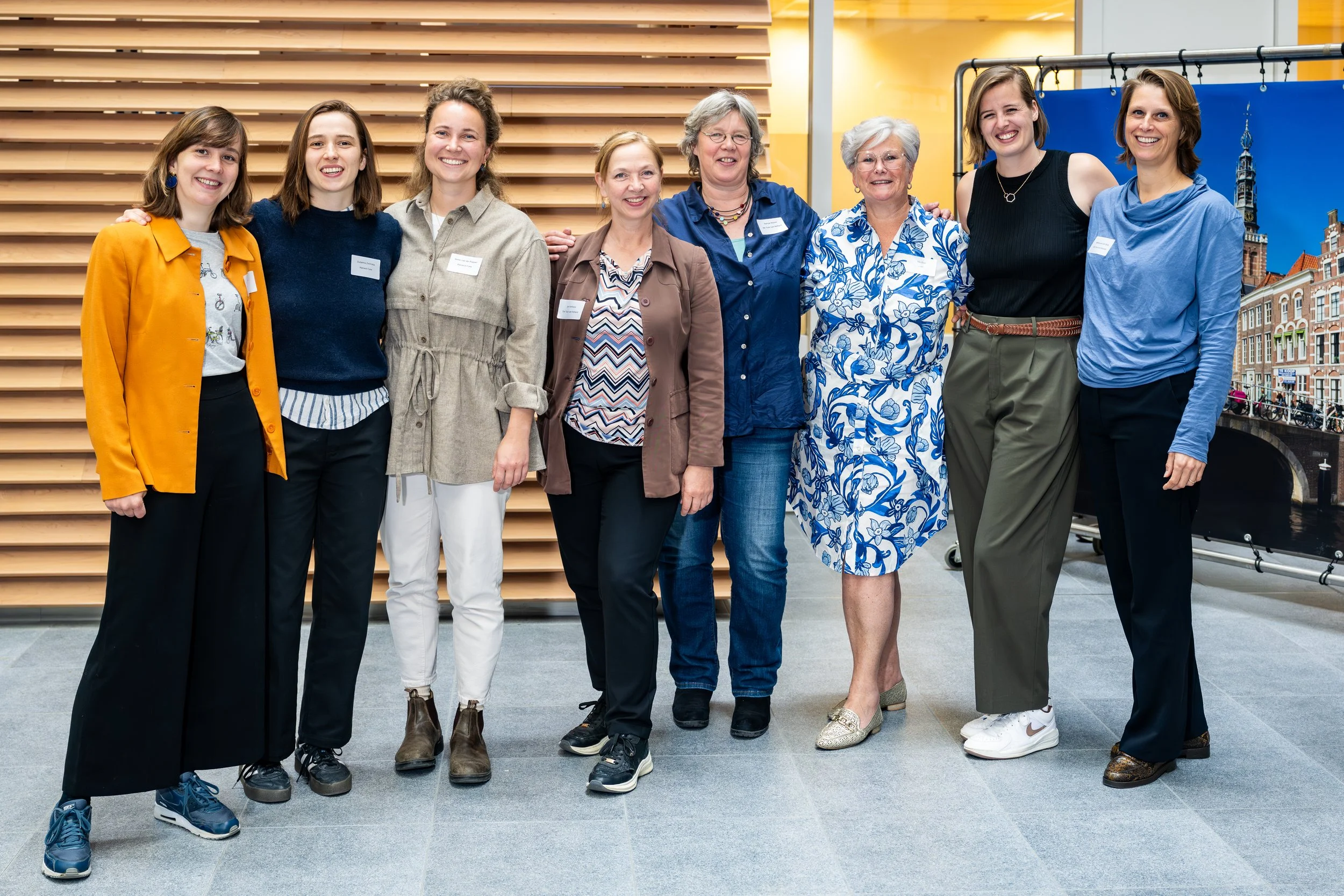
We are grateful to De Tuin van Holland and the LUMC for co-creating this day, and to everyone who came to think alongside us.
The full magazine — published in Dutch — can be read here: Bodem als Basis voor Gezondheid
Additional coverage: Groene Cirkels